

Welcome to iTES Laboratory

Research

Research Overview

Next-gen human-centric tissue models for health and disease

Our lab develops next-generation human-centric tissue models to understand how cells collectively build, remodel, and dysfunction within complex tissues. While molecular biology has transformed our view of human health and disease, we still know far less about how physical forces, tissue architecture, and multicellular interactions shape tissue-scale behavior. This gap is especially important in diseases such as cancer, fibrosis, chronic inflammation, and impaired regeneration, where altered mechanics and disrupted tissue communication are central features.

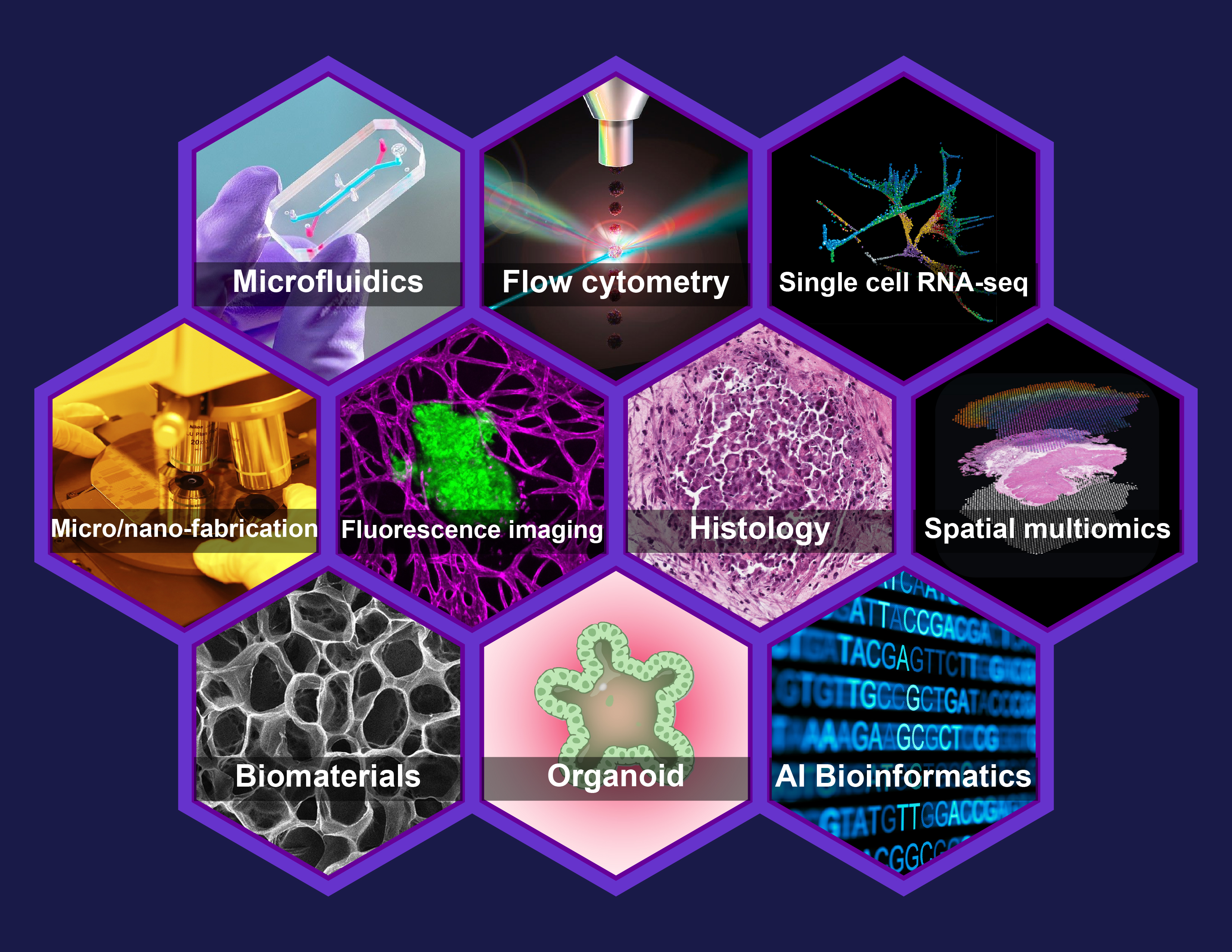
At iTES Laboratory, we engineer predictive microphysiological and assembloid tissue systems: stem cell- and patient-derived 3D models that incorporate multiple interacting tissue compartments, such as epithelial, stromal, vascular, and immune components. By combining tissue engineering, microfluidics, biomaterials, mechanobiology, advanced imaging, and computational analysis, we aim to decode how mechanical and biochemical signals are integrated across tissue interfaces.

Our long-term goal is to create experimentally controllable and biologically meaningful human tissue platforms that reveal new principles of tissue regulation, support therapeutic discovery, and enable more predictive evaluation of next-generation therapies.

Our Approaches

How we build and measure human tissue systems

We are particularly interested in understanding how interactions among cells, tissues, and the (mechanical) microenvironment give rise to emergent human physiology and disease, through deep integration of tissue engineering technologies, multimodal analytics, and computational approaches.

Research approaches overview

Research Theme 1

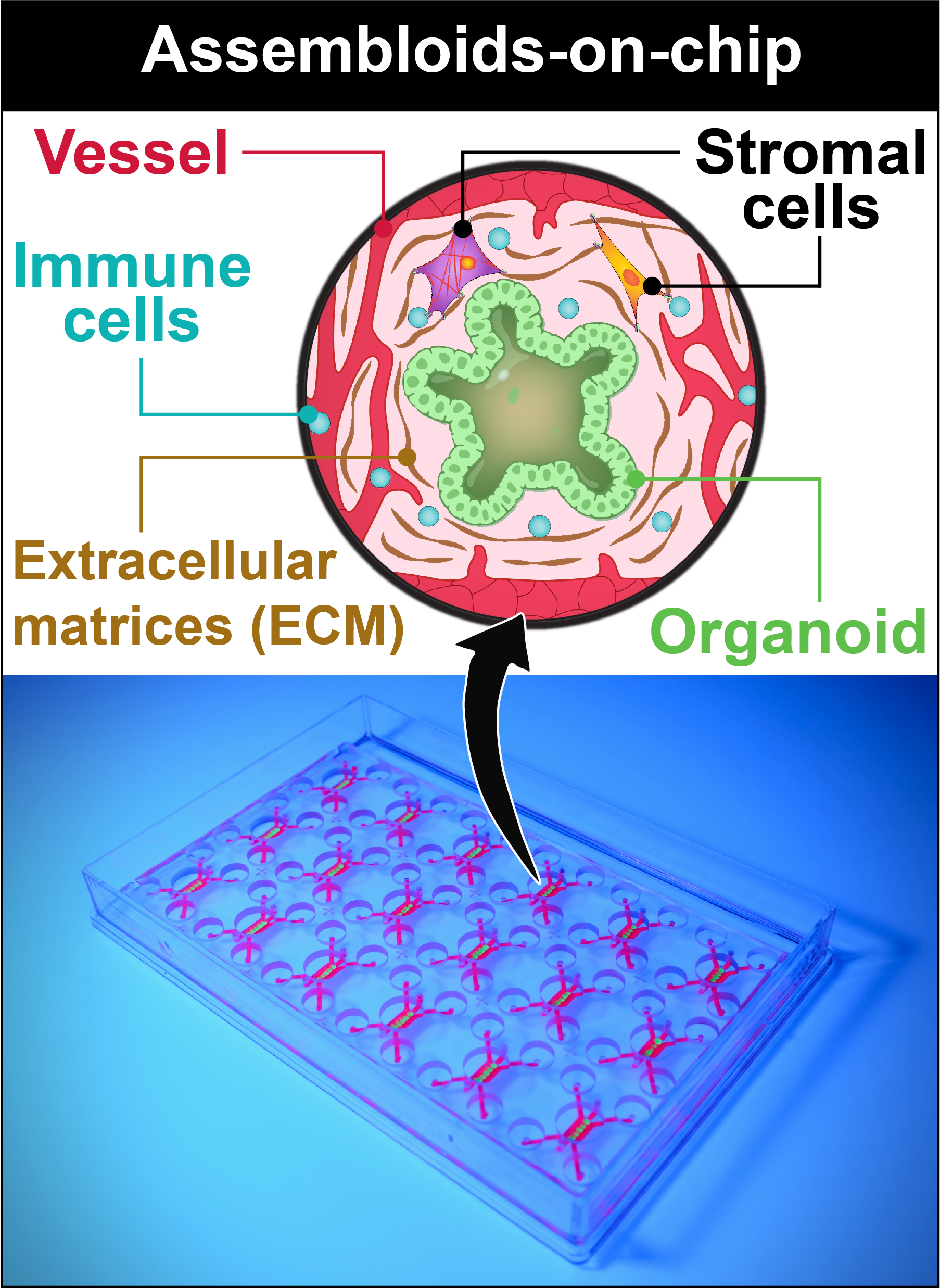
Engineering Assembloid Tissue Models to Decode Tissue Remodeling

Human tissues are not simply collections of individual cells. Their behavior emerges from coordinated interactions among multiple cell types, extracellular matrices, vascular structures, immune signals, and dynamic mechanical forces. These interactions are difficult to study using conventional culture systems or animal models alone.

We develop tunable assembloid tissue models that capture key features of native and diseased human tissues. These platforms allow us to study how tissue architecture, matrix properties, and mechanical cues influence processes such as organoid maturation, stromal remodeling, vascular remodeling, fibrosis, and inflammation.

By building tissue complexity from the bottom up, we seek to uncover how local cell-level responses are integrated into larger tissue-scale outcomes. This knowledge may reveal new ways to guide tissue repair, suppress pathological remodeling, and control disease progression.
1

Research Theme 2

Modeling Immune-Tissue Interactions in Cancer and Regeneration

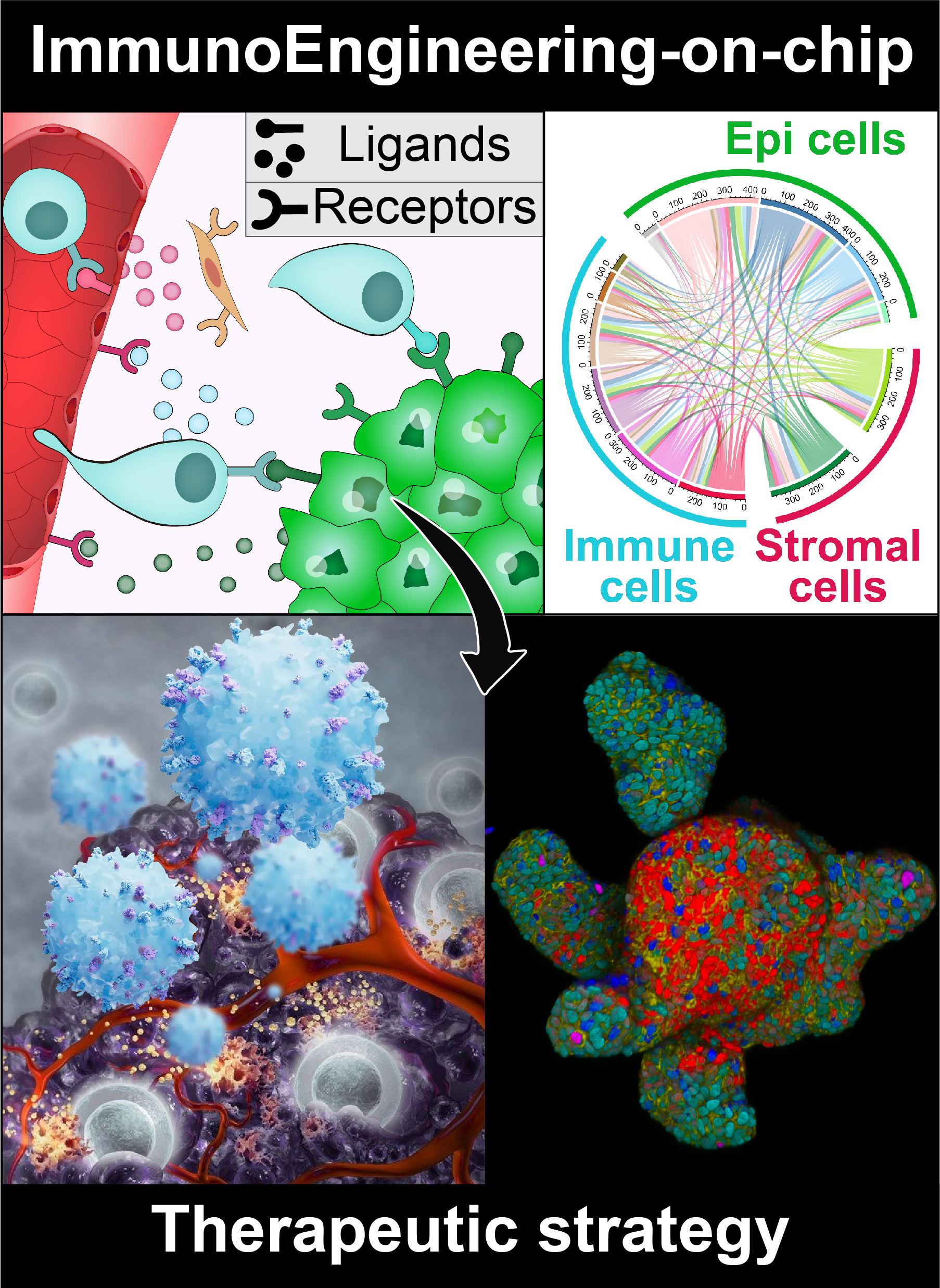
Immune cells are powerful regulators of both disease and repair. In solid tumors, immune cells encounter dense stroma, abnormal vasculature, suppressive biochemical signals, and altered tissue mechanics that can limit therapeutic response. In regenerating tissues, immune cells help coordinate inflammation resolution, stem cell behavior, vascular remodeling, and tissue restoration.

Our lab engineers human-relevant tumor and regenerative tissue models that incorporate immune, stromal, vascular, and parenchymal compartments in controlled microenvironments. These systems allow us to examine how immune cells traffic through tissues, communicate with local cells, and respond to physical and biochemical cues.

A major goal is to understand why similar immune-tissue interactions can lead to either pathological outcomes, such as tumor progression and fibrosis, or beneficial outcomes, such as repair and regeneration. These insights will support the design of better immunotherapies, regenerative strategies, and engineered tissue systems.

2

Research Theme 3

Systems Tissue Engineering by Multimodal Integration and Digital Modeling

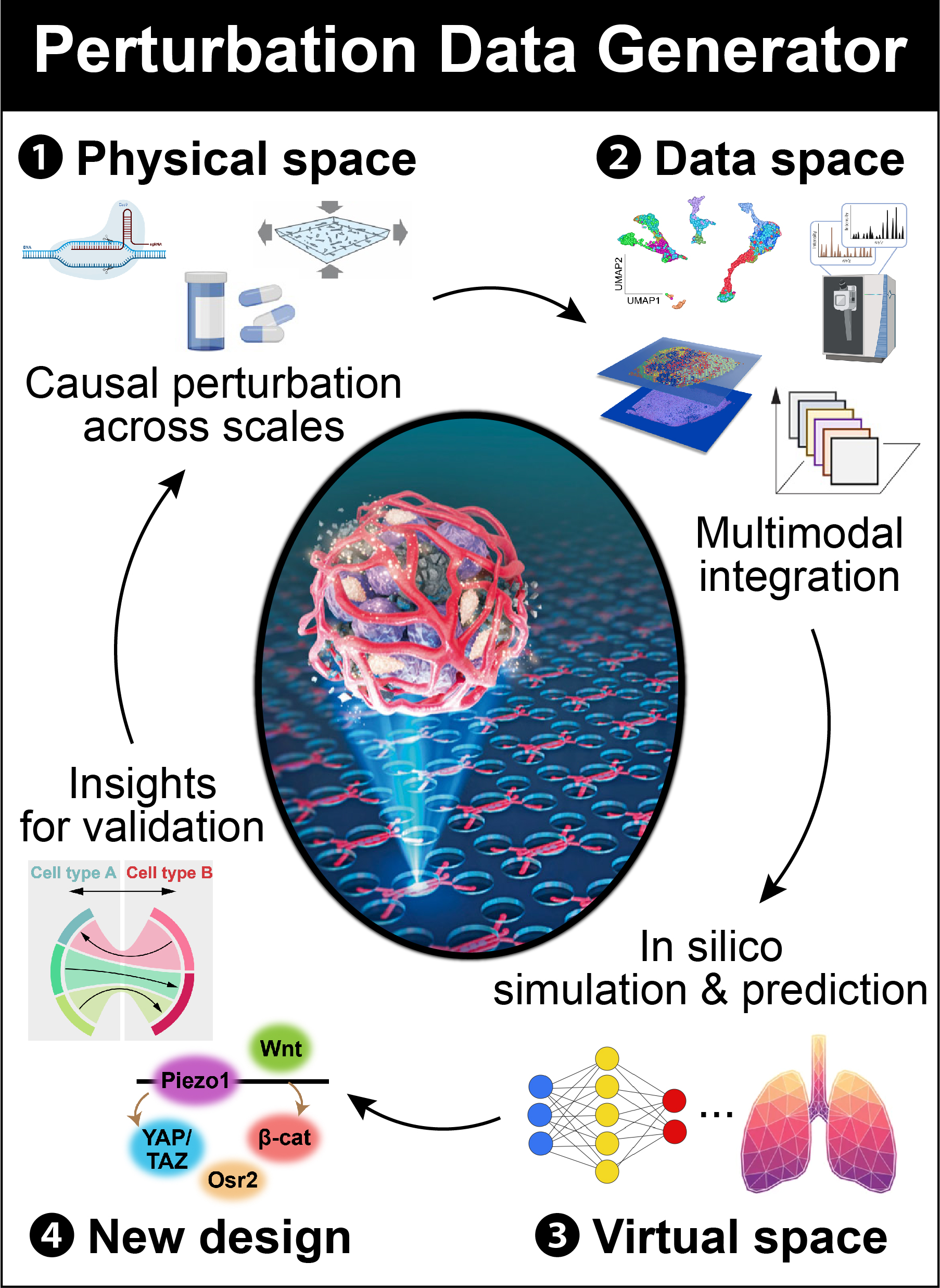
Complex tissue behavior cannot be fully understood from a single measurement. Our lab uses engineered tissue models as human-centric data generators that connect controlled perturbational inputs across scales with highly integrated outputs.

We integrate multimodal analytics to identify regulatory patterns across tissue systems. These datasets help us understand how mechanical, cellular, and biochemical cues shape tissue behavior over time.

In the long term, we aim to connect experimental assembloid platforms with data-driven and digital tissue models. This integrated approach will help predict tissue responses, identify therapeutic vulnerabilities, and guide the rational design of engineered tissue models and treatment strategies.

3